
New to ferments
Are you new to fermented foods and drinks? Maybe your doctor or other health practitioner has recommended adding ferments to your diet? Or perhaps a friend has recommended them to you? Whatever has brought you here, you are in the right place. This page will help you understand why they matter, how to get started and what practical steps you can take now.

Why fermented foods and drinks?
Fermented foods and drinks are special. Humans have always consumed them one way or another and they include sauerkraut, kimchi, kefir, yoghurt, sourdough and kombucha. There is actually a very wide range of fermented foods and drinks and what makes them so delicious and good for us is that they have been transformed by the activity of microbes.
The microbes make these foods and drinks richer in nutrients, easier to digest, and full of compounds that support your gut and your health, generally. Ferments aren’t just a passing trend, they are ancient, trusted foods that humans have always relied on. Modern science is only just really catching up on just how much they might contribute to good health.
-
Ferments can support the work of the microbes that already live in your gut, helping to improve your health. The state of your gut health is absolutely key to all other aspects of your health.
-
We know that gut health (or lack of it) has a big impact on how your immune system works. Consuming ferments can help contribute to a healthy immune system and this means less illness.
-
The state of your gut influences energy levels and mood. What goes on in your gut influences your brain via an important nerve called the vagus nerve. A healthy diet, including fermented foods and drinks, can help to ensure the conversations between your gut and brain keep you feeling good.
-
For good health and wellbeing, you need complex and diverse foods and drinks that are relatively unprocessed. Ferments are ideal because they are complex and diverse, containing plant and microbial compounds that can support health. The fermentation process also tends to make vitamins, minerals and nutrients more available. They taste fantastic and remember, humans have been consuming fermented foods and drinks for thousands of years.
Ferments - a good place to start
-
![Milk kefir recipe, Jo Webster]()
Milk kefir
A fermented dairy drink made by adding milk kefir grains (symbiotic communities of bacteria and yeasts) to milk. The result is a tangy, slightly fizzy drink, thicker than milk, but thinner than yoghurt, rich in diverse beneficial microbes and the byproducts they produce. It is easily digestible, even for some people with lactose sensitivity. You can buy milk kefir or make your own.
-
![Water kefir recipe, Jo Webster]()
Water kefir
A water-based fermented drink made by fermenting sugar water with water kefir grains. The grains contain the bacteria and yeasts essential for the formation of this drink. During the fermentation process, the microbes digest sugar, so that the resulting drink is refreshing and naturally fizzy without being too sweet. It can be flavoured in all sorts of delicious ways. It makes a superb alternative to alcohol and to other kinds of sugar sweetened drinks. You can buy water kefir or make your own.
-
![Kombucha recipe, Jo Webster]()
Kombucha
A fermented tea made by adding a SCOBY (symbiotic community of bacteria and yeasts) to sweetened tea (usually green or black tea). The SCOBY consumes the sugar and, as it does so, it forms a tangy, effervescent drink containing the microbes and a range of other compounds that can support health. If making it for yourself, you can flavour it in different ways. You can buy kombucha or make your own.
-
![Lacto-fermented vegetables]()
Lacto-fermented vegetables
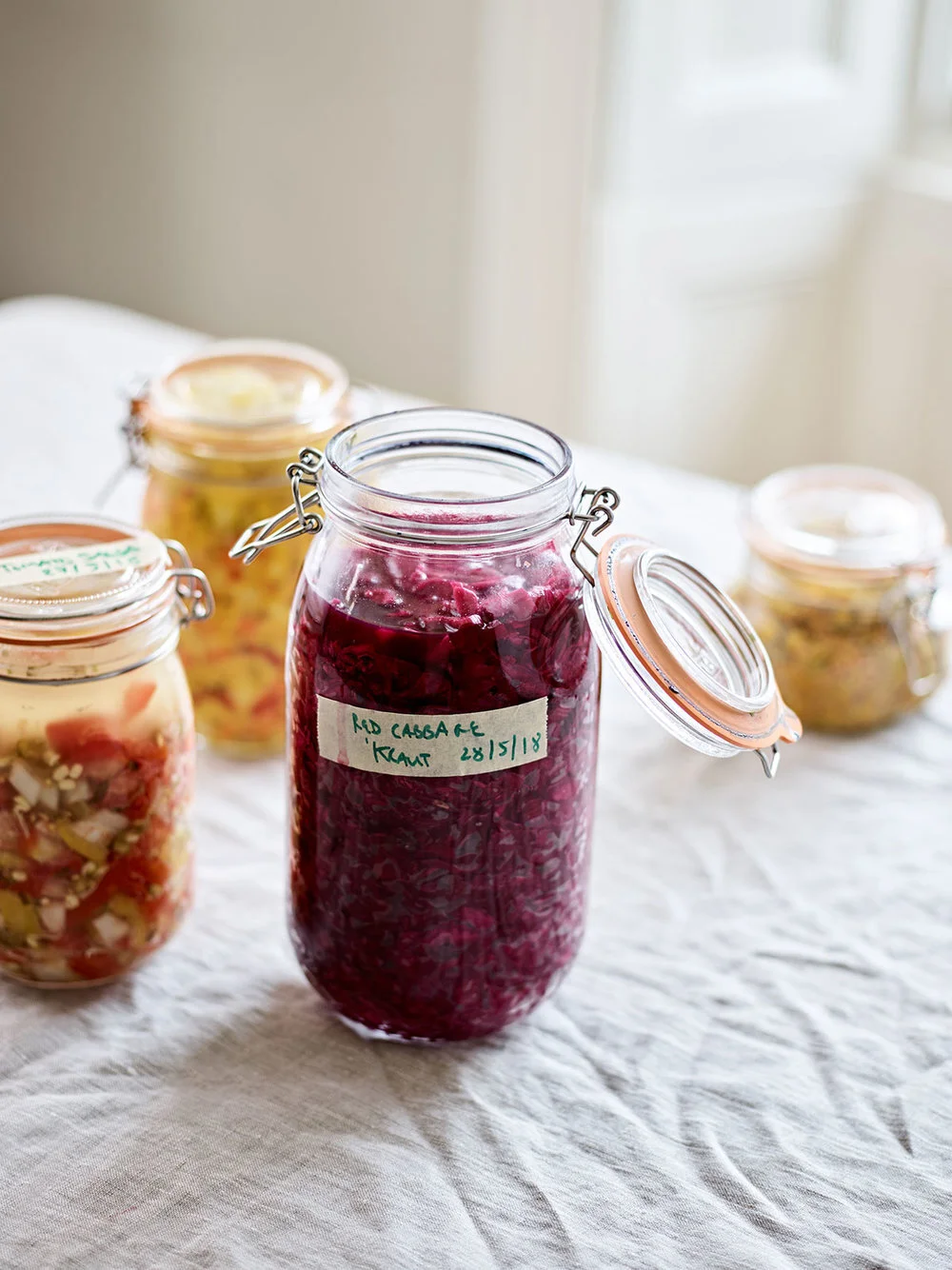
Raw vegetables fermented in their own juices with the help of salt taste amazing. The lactic acid bacteria naturally occurring on the vegetables produce lactic acid that helps to preserve the vegetables. This contributes to the tangy taste and ensures problematic microbes can’t survive. Almost any vegetable can be fermented this way and the result is a tangy and delicious pickle, rich in plant and microbial compounds. You can buy fermented vegetables or make your own.
-
![Tempeh]()
Tempeh
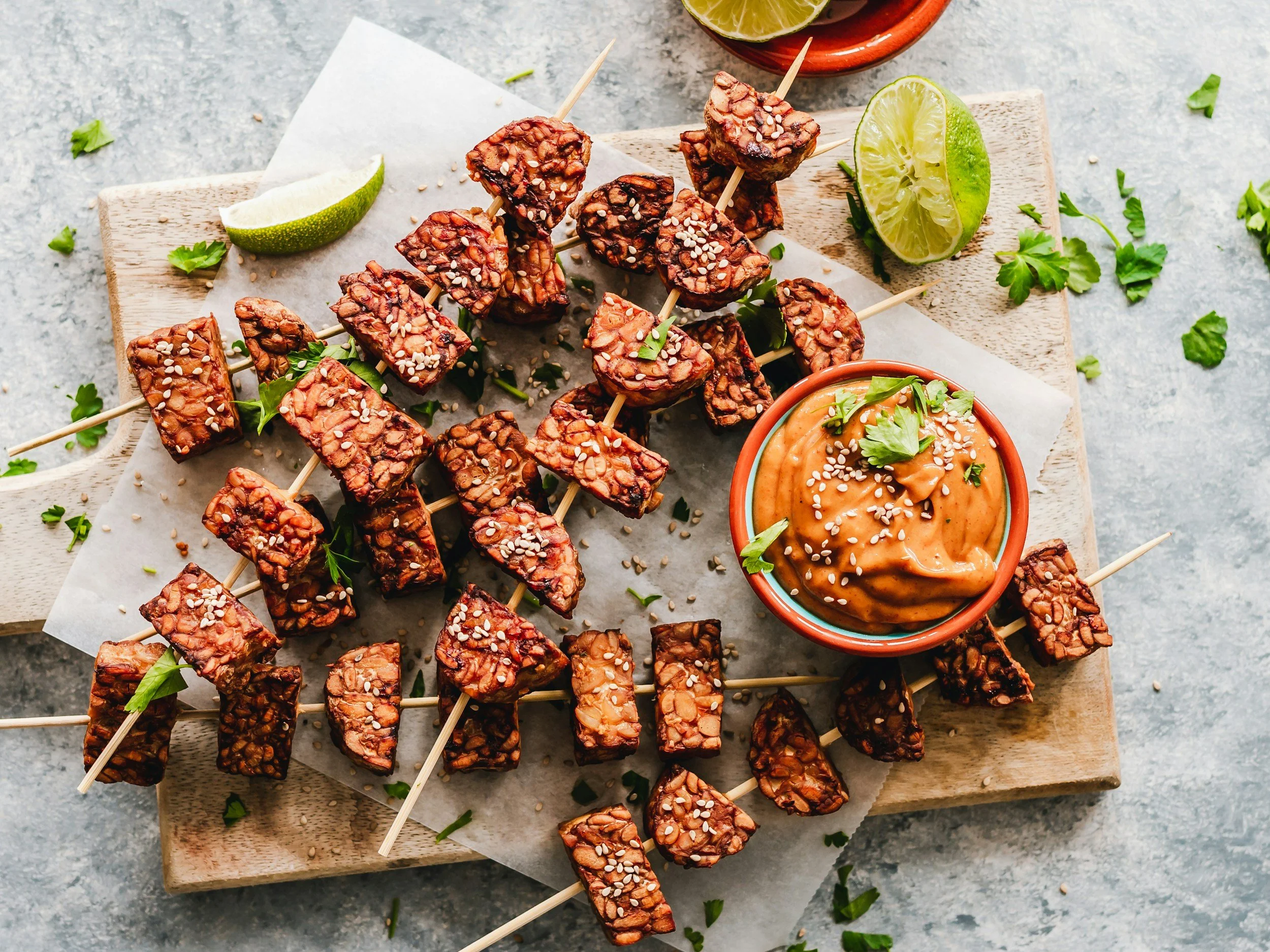
A fermented bean product originating from Indonesia. It is made by adding a fungus, typically Rhizopus oligosporus, to cooked beans, binding the beans into a firm, sliceable cake. Fermentation significantly increases protein digestibility and nutrient availability, and tempeh is one of the richest plant-based sources of complete protein, B vitamins and beneficial microbial byproducts.
-
![Miso]()
Miso
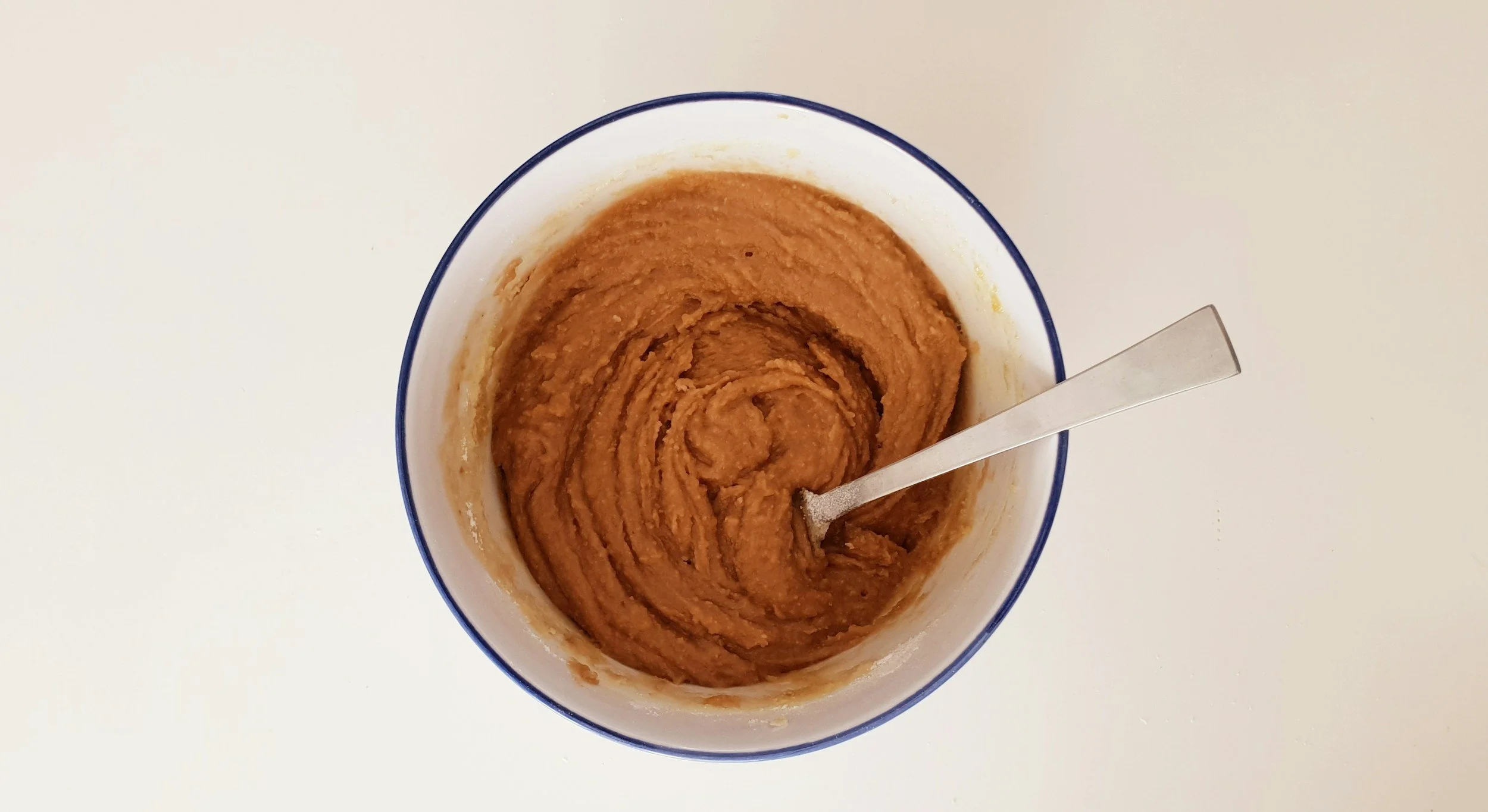
A traditional Japanese fermented paste made involving a fungus called koji (Aspergillus oryzae). The koji spores are first grown on rice or barley and then they are added to beans, chick peas, vegetables, and other foods. It is then left to ferment for anything from a few months to several years and develops deep, complex umami flavours. The process increases the nutrients available from the beans, as well containing compounds produced by the microbes. Delicious!
How to get started with ferments
Small steps you can keep doing are much better than trying to change your diet totally. One or two small servings of fermented foods and drinks a day is a great place to begin. The key is regularity; little and often. In most cases, making your own ferments is cheap and easy, but it is often better to begin with bought ferments to get you started. Decide which one you like the best and then consider making that one for yourself. Sign up to the World Ferment Day ferment pledge, below, and get access to your free ferment buying guides.
Choose one ferment to try first. Milk kefir or sauerkraut are the simplest places to start.
Start with a small amount. A tablespoon with a meal is enough. Your gut may need time to adjust. Some initial bloating and/or extra farting in the first few weeks is normal and usually settles.
Add it to food you already eat. Try milk kefir in place of yoghurt. Sauerkraut on eggs or in a cheese sandwich. Kombucha or water kefir in place of other fizzy drinks. Keep it as simple as possible.
Gradually build variety over time. Different ferments support health in different ways. Over time, aim to include a range; fermented vegetables, dairy and drinks for maximum benefit.
Make your own when you're ready. It's easier than you think, much cheaper than buying, and enormously satisfying.
Join the World Ferment Day movement to support your ferment journey
Because ferments are so delicious and because consuming ferments is such a great way to support health, Jo founded World Ferment Day. It is on 1 February each year and its key aim is to encourage more people to consume ferments. Check out the dedicated webpage and consider signing up to the ferment pledge. Doing so gives you access to our World Ferment Day buying guides to help you buy good quality vegetable ferments, milk kefir, water kefir and kombucha. You will also receive regular encouragement and tips to help you on your ferment journey.
Useful resources
-
![Easy ferment recipes, Jo Webster]()
Some easy ferment recipes to start with
New to fermenting recipes
-
![Fermenting Guide to the Galaxy ebook]()
A great new to fermenting ebook
Fermenting Guide to the Galaxy ebook
-
![The Fermentation School]()
The Fermentation School
Offering a wide range of online fermentation courses.
-
![Fermented Foods: a practical guide by Caroline Gilmartin]()
Fermented Foods: a practical guide by Caroline Gilmartin
An informative science-based introduction to fermenting with practical recipes for beginners.
-
![Fermented Vegetables by Kirsten Shockey]()
Fermented Vegetables by Kirsten Shockey
Informative, accurate and full of great recipes. One of the best all-round guides to vegetable fermentation.
-
![The Cultured Club by Dearbhla Reynolds]()
The Cultured Club by Dearbhla Reynolds
A wonderful ferment recipe book and Jo’s own bible in the early days of fermenting. Warm, practical and inspiring.





Frequently Asked Questions
-
Yes. Fermentation is one of the safest food preservation methods known. People have been making fermented foods and drinks safely at home for thousands of years, without refrigeration or sterile laboratory conditions. So long as you follow some very simple, but key safety rules, you will produce delicious foods and drinks that are safe and good for you. Be sure to follow the advice of experienced fermenters that you trust though.
-
Trust your nose, your eyes and your taste buds. A good ferment smells pleasantly sour and tangy. You will sometimes get sulphurous smells and this is normal too, especially in vegetable ferments that contain cabbage. Ferments very rarely go wrong, but if it smells putrid, rotten or very unpleasant in a way that is clearly different from sour, discard it. Visible pink, black or fuzzy mould growing into the ferment, itself, is also a sign to discard. But this almost never happens. White film on the surface is usually kahm yeasts and kahm yeasts are harmless yeasts that commonly develops on some ferments where it is exposed to air. Skim it off, and carry on.
-
Yes, sourness is exactly what you want. The lactic acid bacteria are doing their job, producing the acids that help preserve the ferment, give ferments their characteristic tang and can contribute to your good health. The smell will be more pungent during active fermentation and will mellow once the ferment is moved to the fridge. Kimchi, in particular has a very strong, assertive smell that surprises many first-timers, but is entirely normal.
-
If you are making your own ferments, keep them at room temperature, out of direct sunlight while they are fermenting. A kitchen counter is ideal because then they will also be in your sight line so you are less likely to forget them. The speed of fermentation is affected by temperature, warmer conditions (20–24°C) ferment faster, cooler conditions (16–18°C) more slowly. If you have purchased your ferments, follow the guidance on the labelling, which will almost always advise you to refrigerate them. The cold temperature in the fridge slows microbial activity right down, but it does not stop it completely. This means you may still need to “burp” ferments that are in the fridge. This just means opening the lid from time to time to allow carbon dioxide to be released.
-
In the fridge. Cold temperatures slow fermentation dramatically without stopping it entirely, meaning your ferment continues to develop slowly and keeps for a very long time, typically several months, and often much longer. Always keep vegetables submerged under the brine in the fridge, as exposure to air is the main cause of surface mould. And remember, you may need to “burp” your ferment if it is in the fridge for a while - just open the lid to let the carbon dioxide out and reseal.
-
It depends on the ferment, but the nature of ferments means that, generally, they last very well when microbial activity is slowed right down in the cold of the fridge. Be guided by the best before dates on the ones you buy, and use your sense of sight, smell and taste on the ones you make yourself. The acidity of the ferment acts as a natural preservative. Fermentation does continue in the fridge, but much more slowly, so your ferments will become increasingly sour as time passes. Watch out for carbon dioxide build up in the ferment container. For more active ferments, like water kefir and sodas, you may need to “burp” the bottle or container to release the gas on a regular basis.
-
This can be the most common practical issue in vegetable fermentation. Vegetables must remain submerged beneath the brine, as any exposure to air creates conditions where surface mould can develop (because of the presence of oxygen in the air). Push them back down firmly and use a weight to keep them submerged, a clean stone works well.
-
Start small one tablespoon of fermented vegetables with a meal, or a small glass of kefir or kombucha once a day. Some people experience bloating or digestive changes when they first introduce ferments as your gut adjusts, which is normal and usually settles. Once you are comfortable, gradually increase the amount and variety. Regular daily consumption of small amounts is far more beneficial than occasional large servings.
-
No. Fizzing and bubbling is a sign of active, healthy fermentation. Carbon dioxide is a natural by-product of the process. If you are using sealed jars, open them briefly once or twice a day during active fermentation to release the gas, known as “burping” the jar, to avoid excessive pressure building up. This is particularly important in the first few days when fermentation is most vigorous. If you are using a purpose-made jars that have a rubber seal or an airlock, the gas escapes automatically. Please note that water kefir tends to produce the most carbon dioxide while fermenting, so if you make this at home, it is wise to store it in plastic bottles. Then, as the gas builds up, you will notice the bottle becoming very hard and that will prompt you to release the gas that has built up by opening the lid and then closing it again.
-
For the vast majority of people, ferments are not only safe, but actively beneficial, and increasing their consumption is a positive step for health. However, there are specific groups and circumstances where caution is warranted, and a small number of situations where ferments should be avoided or introduced only under professional guidance.
People who are immunocompromised
People who have never eaten ferments before and who are taking certain immunosuppressant medications, or are severely immunocompromised should seek advice from their doctor or a nutritionist before introducing live fermented foods. However, if you are already in the habit of consuming ferments and then need to take immunosuppressant medications or become immunocompromised, it is generally safe to continue to consume ferments to the same extent you were previously. If you make your own, you will need to continue to ensure you are being conscientious about basic food hygiene; washing containers in hot soapy water, ensuring your hands are clean and that the surfaces are clean when you are making. Also ensure that you never “double dip” – that is tasting a ferment with a spoon and then putting the spoon back into the ferment after it has been in your mouth. If you have any specific concerns, check with your GP or a nutritionist. While generally supportive to health, the live bacteria and yeasts present in unpasteurised ferments could theoretically pose a risk when immune defences are very severely compromised. This does not necessarily mean ferments must be avoided, but how and what and how much to consume should be guided by a clinician.People taking monoamine oxidase inhibitors (MAOIs)
MAOIs are a class of antidepressant medication that interact with tyramine, a compound that forms naturally during fermentation, particularly in aged and fermented foods such as miso, soy sauce and aged cheeses. Consuming tyramine-rich foods while taking MAOIs can cause a potentially serious rise in blood pressure. Anyone taking MAOIs should discuss dietary restrictions carefully with their prescribing doctor, pharmacist or with a nutritionist, as the list of foods to avoid is broad and specific.People with histamine intolerance
Fermented foods are among the highest dietary sources of histamine, which is produced as a natural by-product of microbial activity by some microbes during fermentation. Most people process dietary histamine without difficulty, but those with histamine intolerance may experience symptoms including headaches, skin flushing, nasal congestion, digestive discomfort, heart palpitations or hives after consuming ferments. Aged ferments such as mature sauerkraut, kimchi, miso and mature milk kefir tend to be higher in histamine than younger ferments. If histamine intolerance is suspected, a low-histamine diet trial under the guidance of a nutritionist can help clarify whether ferments are a trigger. And if you make your own, you can eat them young when histamine levels tend to be low.People with small intestinal bacterial overgrowth (SIBO) also known as small intestinal microbial dysbiosis (SIMD)
Some practitioners advise caution with ferments during active SIBO/ SIMD treatment, as introducing additional live bacteria and fermentable substrates into an already dysbiotic small intestine can worsen bloating, gas and discomfort in some individuals. Others find ferments helpful even during treatment. The picture varies considerably from person to person. If you have been diagnosed with SIBO/.SIMD or suspect you have it, it is worth introducing ferments gradually and under guidance.People with certain gut conditions during flares
Those with inflammatory bowel disease; Crohn's disease or ulcerative colitis, generally tolerate and benefit from ferments. There is growing evidence supporting their role in gut health in these conditions. However, during an active flare, when the gut lining is inflamed and compromised, large amounts of live fermented foods may not be well tolerated. Starting with small amounts and building gradually is advisable.Infants under 12 months
Unpasteurised ferments can be introduced when babies are weaned after 6 months, but cautiously and in small amounts. Ferments containing honey (such as Jun kombucha) should be avoided until your baby is a year old.Pregnant women
Risk from bacterial contamination (for example from Listeria) in commercially made ferments is very low. The same is true of your home-made ferments, provided you follow sensible food safety rules (clean hands, utensils and jars) and the basic rules of safe fermentation. While the risk from a well-made home ferment is very low, some pregnant women who do not already consume ferments may prefer to err on the side of caution and wait to introduce these foods and drinks until after the first trimester.A note on starting symptoms
Many people experience some bloating, changes in bowel habit or increased gas in the first few weeks of introducing ferments. This is common, usually temporary, and reflects your resident gut microbes adjusting to new microbial input. Starting with small amounts and building gradually almost always resolves this.
