Meet Djibril Kassogue
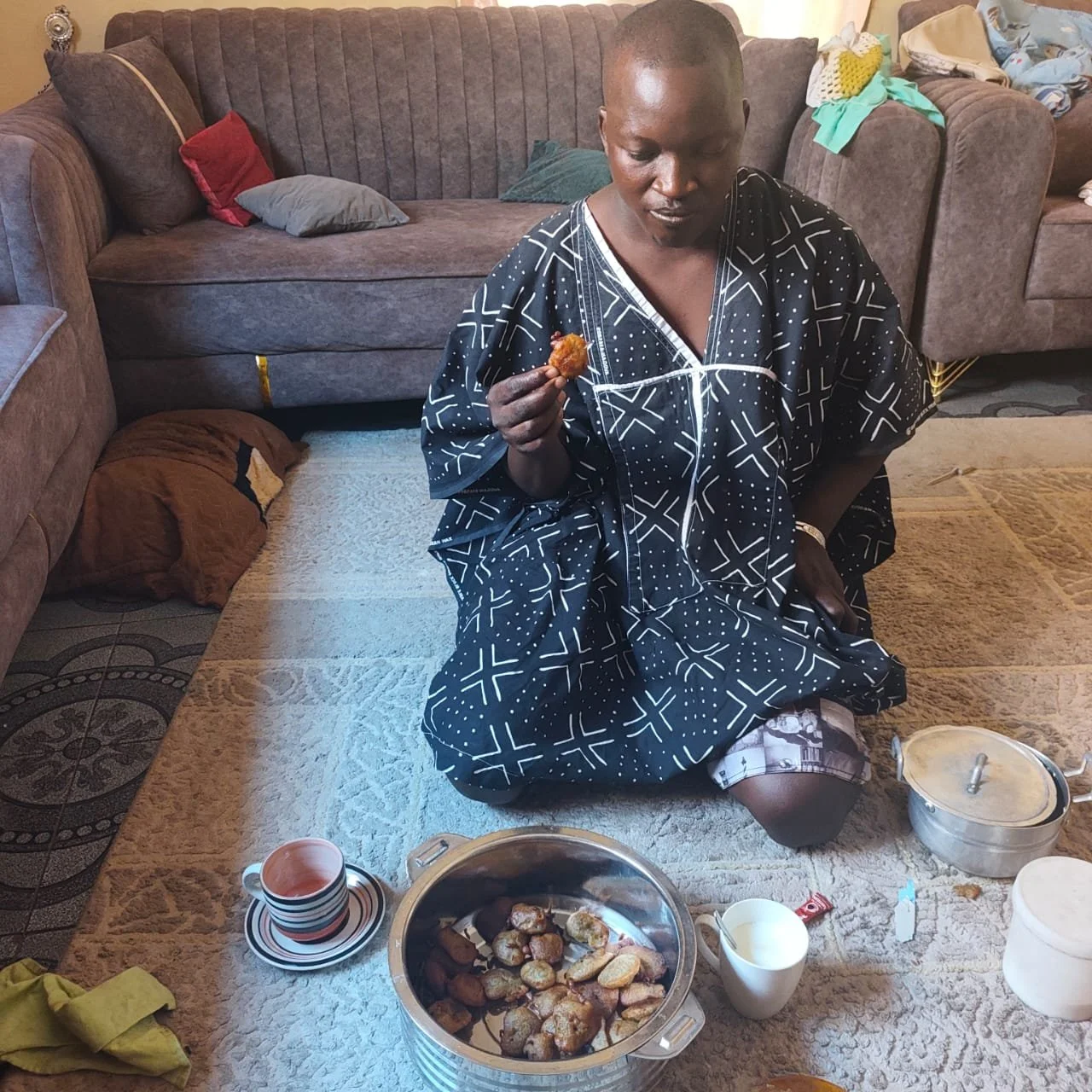
World Ferment Day Ambassador for Mali
What led you to fermentation, and when did your journey begin?
In my native village, the preparation of fermented foods is one of the essential activities carried out by our mothers. In our community, there are several fermented foods that we consume daily, such as fourou (a type of flatbread, often eaten for breakfast) and dèguè (usually consumed after the evening meal), among others.
Since my childhood, I have regularly consumed these foods, which has allowed me to develop a strong attachment to fermentation. This attachment comes not only from this daily habit, but also from the health benefits these foods provide, as well as the important place fermentation holds in my culture. It is this cultural heritage, combined with my personal experience, that led me to take an interest in fermentation and continues to motivate me today.
What was your first fermentation experience, and how did it go?
My first fermentation experience took place within my family, during a baptism ceremony organized at home in my village. As tradition requires, a traditional porridge called Moni is one of the foods served to guests during this type of event. Two days before the ceremony, I approached my aunt to share my curiosity and my desire to learn how to prepare this porridge. She kindly replied, “No problem, my son, I will show you how it’s done, and you will help us.”
The day before the baptism, I spent the whole day alongside my aunts, helping them as much as I could: fetching water, pounding millet, and running small errands. Just before the preparation started, they called me to take a more active role. We first took the already pounded millet and mixed it with a bit of water to form a paste. This paste was then left in a tightly covered pot until the next morning to allow fermentation to take place.
Very early on the day of the baptism, we resumed the work. A small portion of the fermented paste was shaped into small balls and placed in hot water over the fire for about 15 minutes. Then, we added the remaining paste into the pot, stirring regularly with a ladle while carefully controlling the heat so that it was neither too strong nor too low. After about an hour of cooking, the Moni porridge was ready. It was then served in large containers to cool, and later mixed with sugar and milk before being offered to the guests.
This experience was very memorable for me. I must admit that it was not easy: pounding millet, carrying water, and participating in every step required a lot of effort. Moreover, in my culture, this type of activity is usually reserved for women, which made my participation somewhat unusual. Despite this, I persevered thanks to my strong desire to learn and the support of my aunts, who were very understanding. Today, I am proud and happy to have had this first fermentation experience.
What is the easiest way to introduce ferments to someone who has never tried them? What might they try this week?
The easiest way to start consuming ferments is first to learn about the different types of ferments you would like to try, as well as their benefits and possible drawbacks. It is important to understand how they can affect your health - both the potential improvements and any risks, especially in case of allergies to certain ingredients.
After doing a little research, you can choose one or more ferments that suit you best and that can help improve your health. Then, you can create a simple plan by gradually incorporating these foods or drinks into your daily diet. Finally, it is essential to stay consistent and disciplined in order to turn this into a lasting habit.
How does fermentation fit into your life?
Fermentation is part of the culinary practices that shaped my childhood. It is in this context that I developed a strong attachment to fermentation. Today, as an adult, I continue to consume fermented foods on a daily basis. For example, I eat fourfou (a type of flatbread) for breakfast, and moni, a traditional porridge, in the evening at home. These foods are also present during cultural events such as baptisms, weddings, and family gatherings.
Even in my professional life, I regularly consume fermented foods. Whenever I have to travel abroad, I often make sure to order dèguè and yogurt in advance so that I can consume them during my stay. This daily habit is strengthened by the many health benefits that these foods provide